“Uneasy lies the head that wears a crown”
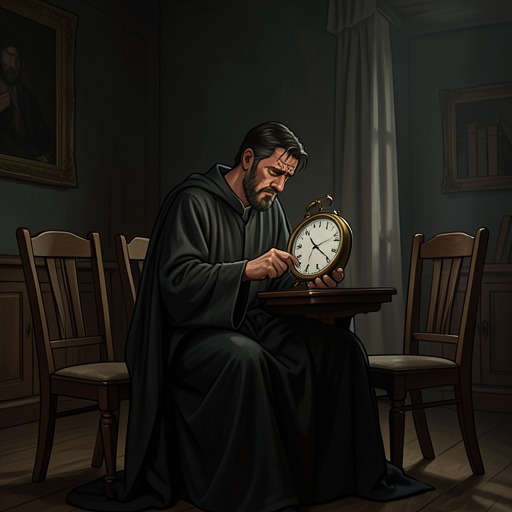
Henry IV, Part 2“Uneasy lies the head that wears a crown” is King Henry IV’s concise account of the bodily cost of kingship. Spoken amid his meditation on sleep, the line sets the king’s sleeplessness against the ordinary subjects who are sleeping, making the crown not simply a mark of authority but a source of exposure and unrest.
Sleep Denied to the King
King Henry IV asks whether sleep, with all the aids and comforts available, can be denied even to a king. The question sharpens the contrast that gives the expression its force: thousands of his poorest subjects are asleep at that hour, while the ruler cannot claim the restorative ease that seems available to them. The line turns that contrast into an aphorism. The crown signifies command, yet the crowned head remains a vulnerable human body, unable to order sleep to come.
The Crown as a Troubling Bedfellow
The image gains a dramatic echo when Prince Henry watches beside his father and asks why the crown lies on the king’s pillow, calling it a troublesome bedfellow. Where his father’s expression describes the burden of wearing the crown, the prince’s question makes that burden visible as an object beside the sleeping or dying king. The crown occupies the place of rest, joining political office to the private vulnerability of the body.
Inheritance and the Burden of Rule
The play’s later references connect the sleeplessness associated with the crown to the transfer of kingship. Prince Henry declares, “Harry the Fifth is crown'd: up, vanity!” as he takes up the office, while the failing King Henry IV asks God to forgive how he came by the crown and grant that it may live in true peace. These moments give the expression a wider political resonance: the crown passes from one person to another, but its history and obligations do not disappear with the former king. The phrase remains a compact statement of the gap between possessing royal authority and finding peace in it.